
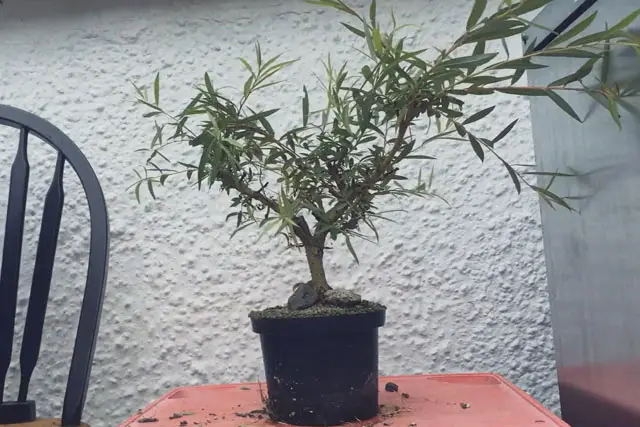
There are a number of different types of Willows. The one I will be talking about here is the Weeping Willow, Salix babylonica.
It is a medium size tree that is instantly recognizable due it its downward weeping branches.
I took a small cutting from a tree in a park and I have been growing it ever since. You can see its development in my Willow Bonsai Progression.
Page Contents
What Is The Natural Habitat of A Willow Tree?
The Weeping Willow tree originates from Northern China but can now be found all across Europe
It is often found near very near to water, such as river banks and at the edges of lakes.
What Soil Do Willow Bonsai Need?
Weeping Willow bonsai like water and they like the soil to be damp, if not wet. This is why they are always found growing right next to water.
I normally use an equal mix of Perlite/Molar Clay/ Compost for my trees. However, I tend to add more compost into the mix for my willows. I’d say its more a 30/30/40 mix, compost being the largest component.
This just allows the soil to have slightly more organic matter and to be more water retentive, while still being quite gritty. This way the roots can stay a little wetter, while still being loose enough to get good root division and development.
(For more info on soil read – A General Guide To Bonsai Soil)
How Do you Water A Willow Bonsai?
Weeping Willow bonsai love water. I actually keep a shallow dish under my pot, which I keep full of water at all times, so the base of my pot is constantly submerged.
Unlike most trees, willows actually like having their feet wet. This is why they love to grow next to lakes and rivers. They actually grow their roots into the water.
I find that keeping the tree in a dish full of water really helps them get as much water as they like and also replicates being near a lake or river, where the tips of the roots are touching the water.
It can seem a little strange to see a tree just sat in water. This goes against what we do with all other trees, but willows love it and they grow better when you do this.
(For more info you can read –How To Water A Bonsai)
How Much Sun Light Does A Willow Bonsai Need?
Weeping Willow trees can take full sun. The more light they can get the better they will grow.
You do need to make sure they are getting enough water. The more sun they get, the more water they need. This is another reason why using a dish of water under them can be helpful. You can let them get full sun and not have to worry about them drying out.
How Hardy Are Willow Bonsai?
Weeping Willows are hardy in the UK and can reach temperatures down to -10°C/ 14°F when grown in the ground.
Those grown in bonsai pots should not be exposed to temperatures this low. If it starts to get close to this temperature, especially for an extended period of time, I would shelter the tree somewhere cold, like an unheated shed or greenhouse. This should take the edge off the extreme cold and keep them safe.
I just leave my willow out all year round and it is totally fine.
(For more info you can read – Working Out How To Over Winter Bonsai Trees)
How Often Do You Feed A Willow Bonsai?
I feed my Weeping Willow bonsai once a month during the growing seasons with an all purpose fertiliser and this is more than enough to keep them growing well.
(For more info you can read – Do You Need To Use “Bonsai” Fertiliser?)
How Do Willow Bonsai Respond to Pruning?
Willow bonsai respond well to pruning and they can be cut back hard.
They will shoot new buds all over the tree after a pruning. You will have to come back and check where new buds have formed as many times they will be growing in a place where you do not want them, or where a knuckle of growth could form.
There is a lot of talk about willows dying back. This is true, but it doesn’t seem to be related to pruning. I have had branches die that have been left alone, as well as pruned. It seems the die back is more random.
(For more info you can read- How To Prune A Bonsai Tree)
Repotting A Willow Bonsai
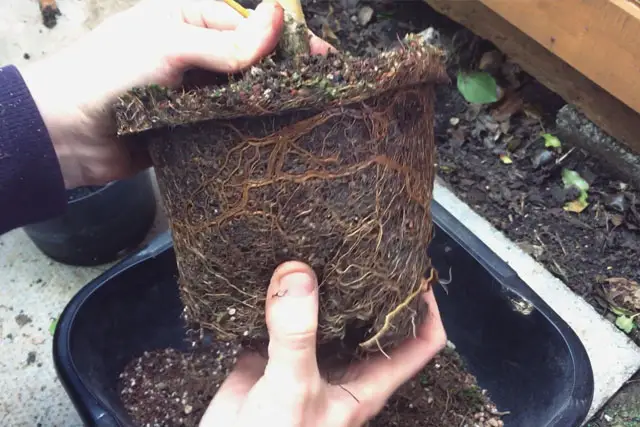
Willow bonsai should be repotted often. They have very aggressive roots and you will find your pot can be filled within one year and usually growing out the bottom into the dish of water below.
They can tolerate hard root pruning. This should be done in spring when the buds are swelling and about to open.
Willows contain a lot of natural rooting hormone, so they will always grow new roots no matter how aggressive you get. A lot of rooting powders are actually made from willow extracts.
(For more info you can read – How To Repot A Bonsai Tree)
Wiring A Willow Bonsai
Willow bonsai can be wired and this is often how the weeping foliage is achieved in smaller and younger trees.
You will need to watch the wire closely, as willow branches can quickly swell and cut in, causing damage.
(For more info read – Why Do We Wire Bonsai?)
What Is The Leaf Pattern Of A Willow Bonsai?
Weeping willow have an alternate leaf pattern.
What Pests Does A Willow Bonsai Suffer From?
Willow bonsai can be affected by aphids and honey fungus. If your tree is growing healthily you should be problem free, but you should still check often for signs of any problems and deal with them swiftly.
The biggest pest you will suffer from is the natural die back, but unfortunately you cant stop this, or even predict it.
Can You Propagate A Willow Bonsai?
Willows will root from any size cuttings. Just add any piece of willow to water and it will start to root.
Willows actually contain a natural rooting hormone, so adding bits of willow branches to your water, will make the water turn into a homemade rooting hormone. If you look on the label of rooting hormones you will often see they use some sort of willow extract in their ingredients.
What Is The Growth Rate Of A Willow Bonsai?
Willows grow fast, but they are only short lived and live to about 50 years old.
It is said they can suffer drastic die back for no reason. I have had this happen, but most of the die back has been quite small … but still annoying. I have maybe lost a branch of two that i wanted to keep. Although it does seem like as each year passes, and the tree gets a little bigger …the die back gets a little worse.
My theory is that keeping the dish of water under the tree stops it from drying out, which in turn stops it dropping branches for no reason, Although I can not confirm this. I have still had die back, even though I have the bowl of water.
Maybe soon I will have a more catastrophic loss. i feel the risk is real and it just seems very unpredictable. This is usually what puts people off using this species for bonsai.
Should You Get A Willow Bonsai?
Willows are fun to grow, but they are not great trees for bonsai beginners.
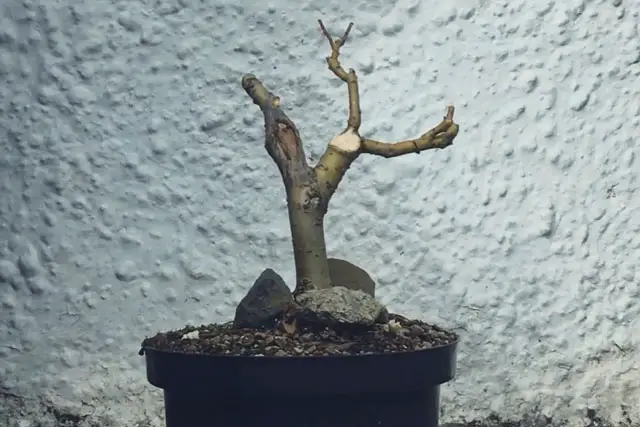
They almost grow too quickly and you will find inverse taper develops very fast. They are also a struggle to keep small as they naturally want to grow upwards before they weep and the potential for random die back of branches is not ideal for a beginner, or anyone really.
However, they are one of the easiest trees to root from cuttings, so a beginner should definitely try that as it is fun to see an ugly stick start to magically grow roots.
You can read more about – Is Willow Is A Good Tree For Bonsai?

Hi, I’m Ian. I have been doing bonsai since 2014. I created this site to spread all the knowledge I have acquired over the years. Don’t forget to check out my Youtube videos where I show the progress of my own Bonsai each week or connect with me on social media.
You can read more about me and how I got into Bonsai on the About Page

