
Prunus is the term given to over 400 small fruits trees such Plums, Cherries, Peaches and Apricots. Depending on the exact species they can be deciduous or evergreen, but they can all be cared for in a very similar way.
In 2016 I found a small tree hidden in the overgrown communal garden. I dug it up and started looking after it. It turned out to be a Prunus and you can watch its progression on this Youtube playlist.
For a long time I was unsure what type of Prunus I had. I now believe it to be a Black Cherry Plum (Prunus ‘Nigra’).
Page Contents
What Is The Natural Habitat of A Prunus Tree?
Most Prunus are natural to the temperate Northern Hemisphere regions.
As there are so many varieties you will usually find some sort of prunus where ever you go in this region.
What Soil Do Prunus Bonsai Need?
Prunus bonsai like well draining soil. I use my standard mix of equal parts Perlite/Molar Clay/Compost and this has worked well with no problems.
Prunus grows across a large area of the planet, so they are going to be able to deal with slightly different soils when growing in the wild, but over all they prefer a well draining soil, especially when in bonsai pots.
A free draining soil is also going to give you the best quality roots, which is exactly what we want for bonsai.
(For more info on soil read – A General Guide To Bonsai Soil)
How Do You Water A Prunus Bonsai?
Prunus bonsai do not like to remain too wet, but their soil should be damp at all times. Prunus can drink a lot during the growing season, so you may need to water often.
If you are using a well draining soil you will be able to keep the tree moist at all times while not water logging it. You need to water the tree just as its starts to dry out and this should keep it happy.
(For more info you can read –How To Water A Bonsai)
How Much Sun Light Does A Prunus Bonsai Need?
Prunus trees can take full sun.
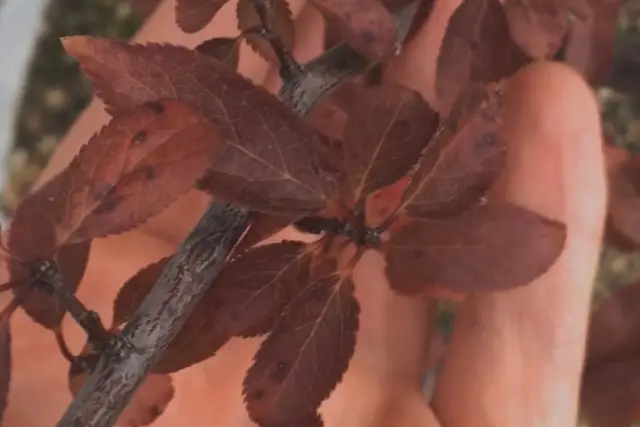
The colour of my prunus leaves is affected by the sun. The colour can range from green to deep purple depending on the amount of sun it gets.
This is not applicable to prunus that are only green, but of course the more sunlight they get, the better they will grow.
How Hardy Are Prunus Bonsai?
Prunus are hardy in the UK and can survive our winters no problem.
You will need to look up your individual variety to see how cold hardy it actually is. If it is the type of prunus that prefers to grow more towards the Mediterranean it might not be as cold hardy as a variety that prefers to grow in Northern Europe.
Generally if you are living in that northern, temperate climate, your prunus should be able to cope with the winters, but it is always best to double check how much cold they can actually handle.
Also remember that trees in pots are not as hardy as those in the ground, so if you are getting very cold temperatures, I would give the tree some shelter from the extreme cold.
You can read more information about – Working Out How To Over Winter Bonsai Trees
How Often Do You Feed A Prunus Bonsai?
I feed my Prunus bonsai monthly during the growing season with an all purpose fertiliser which is more than enough to keep them healthy.
(For more info you can read – Do You Need To Use “Bonsai” Fertiliser?)
How Do Prunus Bonsai Respond to Pruning?
Prunus responds very well to pruning.
There is a risk that pruning in winter is dangerous as it makes the tree susceptible to silver leaf disease which can be in the air at this time of year. The spores can get into the fresh wounds, so it is advised to prune in early summer when the sliver leaf spores are no long in the air.
I have pruned in the winter and all has been fine. Although this was more out of ignorance and it was just luck I didn’t have any problems.
(For more info you can read- How To Prune A Bonsai Tree)
Repotting A Prunus Bonsai
Prunus bonsai should be repotted in early spring when the buds are swelling.
As with all deciduous trees, they can have their roots pruned hard …if timed correctly and the tree is healthy.
(For more info you can read – How To Repot A Bonsai Tree)
Wiring A Prunus Bonsai
Prunus bonsai can be wired with no issues. Just be careful the wire does not cut in as they can grow fast and start to swell around the wire.
You will probably have to wire the main structure into shape, but after this you can do a lot with clip and grow techniques.
(For more info read – Why Do We Wire Bonsai?)
What Is The Leaf Pattern Of A Prunus Bonsai?
Prunus have an alternating leaf pattern and will produce flowers in spring if the tree is old enough and healthy enough.
What Pests Does A Prunus Bonsai Suffer From?
As above, Prunus bonsai can be affected by silver leaf disease, especially if they are pruned in the winter.
They can also be affected by powdery mildew, scale and aphids, which are all easily treatable.
If your tree is healthy you should not really have any problems but you should check often to make sure no issues are developing.
I have found caterpillars like to nibble the leaves, but this is just a small amount of damage. If you can catch them, try and remove them from the tree.
(you can read more about – Are Caterpillars A Pest For Bonsai?)
Can You Propagate A Prunus Bonsai?
Prunus can be easily propagated from seeds, cuttings and air layers.
The best way to start a new prunus bonsai is going to be through Yamdori, as you can dig a tree up that has an established trunk.
What Is The Growth Rate Of A Prunus Bonsai?
Prunus bonsai can grow quite quickly. In the right conditions they can put a lot of growth on during a growing season.
Should You Get A Prunus Bonsai?
Prunus are great candidates for bonsai. You can read more information about Do Prunus Make Good Trees For Bonsai?
They ramify well and their leaves reduce to quite a small size. They also have excellent bark and overall look great.
They are fairly easy to care for and are quite robust. They would make a good tree for a beginner.

Hi, I’m Ian. I have been doing bonsai since 2014. I created this site to spread all the knowledge I have acquired over the years. Don’t forget to check out my Youtube videos where I show the progress of my own Bonsai each week or connect with me on social media.
You can read more about me and how I got into Bonsai on the About Page

